In March 2026, the Environment Agency hit a key milestone, completing over 10,000 inspections of water company assets in the last twelve months.
The ambitious target was met by the hard work of the Water Industry Regulation Teams – tirelessly carrying out inspections of sewage treatment works, pumping stations and combined sewer overflows on the network.
One of the officers involved in making these inspections happen is Callum Johnson, an Environment Officer in the Severn Trent Water Industry Regulation Team.
Callum joined the Environment Agency last year as part of the recruitment drive to increase water enforcement workforce almost fivefold nationally - to be its largest ever. He has a geography degree and previously worked as a geotechnical engineer before joining the Environment Agency.
This blog covers what Callum’s job is like on the ground inspecting sewage treatment works, pumping stations and combined sewer overflows on the sewer network to ensure that water companies meet their legal and environmental obligations.
My first six months as a Water Industry Regulation Officer: what I’ve learned so far
When I stepped into my new role with the Environment Agency’s Water Industry Regulation team, covering Kidderminster and Tewkesbury, I wasn’t entirely sure what to expect. Six months on, I can confidently say that this has been one of the most rewarding and eye-opening periods of my career so far.
Building strong foundations
My journey began with a comprehensive induction programme. The technical training and local sessions delivered by my team really brought the role to life. They helped me understand not just what we do, but why we do it and how my day-to-day work contributes to protecting the environment and the communities that depend on it.
The training has been rigorous. I’ve completed permit inspection, pollution incident response and enforcement training. Each one has added depth to my understanding and increased my confidence in applying my knowledge in real situations.
Developing my inspection skills
During my time in the team, I’ve been steadily developing my inspection skills. This has become one of the most rewarding parts of my role so far because inspections sit at the core of what we do. They’re where I can directly protect the environment, influence real change on site and see the impact of my actions almost immediately. Every inspection feels like a moment where my work genuinely matters, and that sense of purpose has made this part of the job especially meaningful.
Good regulatory work isn’t just about spotting problems; it’s about understanding the full picture and making fair, evidence-based judgements that help prevent future issues.
Through my training I’ve learned how desk-based research builds the groundwork such as reviewing permit conditions, digging into site histories and examining compliance records.
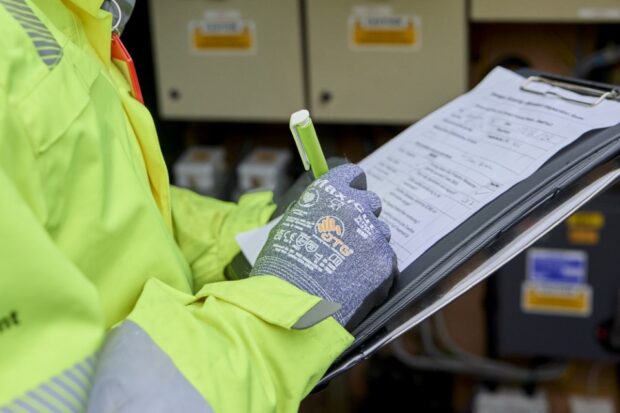
Then I’ve learned about inspecting water company assets on the ground including how they are planned, how evidence is gathered on site, and how compliance is assessed and documented.
Learning on the ground: incident response
I’ve also been learning about incident response, which has been one of the most impactful parts of my role. In my first few months, I supported colleagues at a range of environmental incidents, from minor pollution events to more complex situations requiring coordinated action with multiple partners.
As my experience has grown, so has my involvement. Over the past two months, I’ve attended a wider variety of incidents as an active incident responder, dealing with different types of pollution, operational failures and environmental risks. Working on more incidents has helped me understand how quickly situations can change and how important our team’s early assessments are in shaping the entire response.
Watching experienced colleagues make decisions under pressure has been invaluable and I’m now increasingly contributing directly by gathering evidence, speaking with operators and supporting the wider team on site. Each incident has strengthened my judgement and given me a clearer understanding of what real time environmental risk management looks like.
Every site is unique
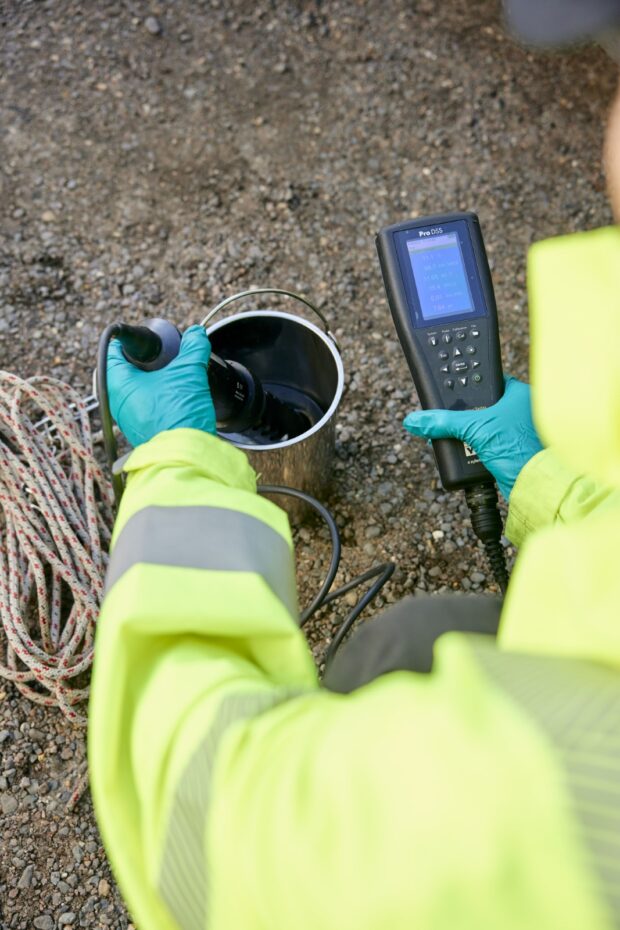
Over the past few months, I’ve been undertaking inspections myself. These have mainly focused on pumping stations and sewage treatment works, and each one has offered something different. What has stood out most is how every site is unique. Even when inspecting similar asset types, each location has its own operational challenges, environmental risks and ways of working. This variety has pushed me to apply my training to real world situations, adapt quickly, and think critically on my feet.
Some inspections have been straightforward, while others have required deeper investigation or follow up. Each one has added another layer to my understanding of how assets operate and how compliance is maintained.
Through my inspections, I’ve learnt how to work professionally with Severn Trent Water site managers and operators to find solutions. Open, constructive conversations are key to understanding the practical challenges they face, while we work to find resolutions to any compliance issues.
Alongside the site work, I’ve also been responsible for writing the Compliance Assessment Reports (CAR forms) for these inspections. Producing these reports are key to translating our findings into formal regulatory outcomes.
Looking ahead
Reflecting on my first six months, I feel grateful for the support, guidance and encouragement I’ve received from my team and the wider organisation. They’ve helped me build not just technical knowledge, but confidence in my own professional identity. And as the EA undergoes one of its biggest periods of change such as strengthening our data, expanding our enforcement workforce, and increasing our regulatory reach, it’s motivating to know that I’m playing a part in that shift.
Being one of the people contributing to over 10,000 inspections nationally this year makes the work feel bigger than my individual role. It’s a reminder that every site I visit feeds into a much wider picture of improving compliance, preventing harm, and driving the environmental outcomes we’re all here for.
There’s still plenty to learn, and I know I’ll be taking on greater responsibility in regulating the water industry as time goes on, but I’m excited for that challenge and proud to be part of the change we’re delivering.
Leave a comment