
In the middle of another hot, dry summer we can see our climate is changing. When we head into winter this translates into more rain, more runoff, and more pressure on slurry storage. Getting ahead now can help protect your land, your business and the waterways your community depends on.
Slurry managed well is a resource. Slurry mismanaged is a pollution risk - to rivers, soils, and the communities downstream. The choices made now, in summer, shape what happens to those waterways come January.
At the Environment Agency we’re encouraging farmers to look at slurry storage requirements before the rain arrives. Now is the time to start planning for next winter.
With pressure on fuel and fertiliser prices, having plenty of spare capacity is not only vital for compliance, but also saves a valuable resource for when it’s most needed.
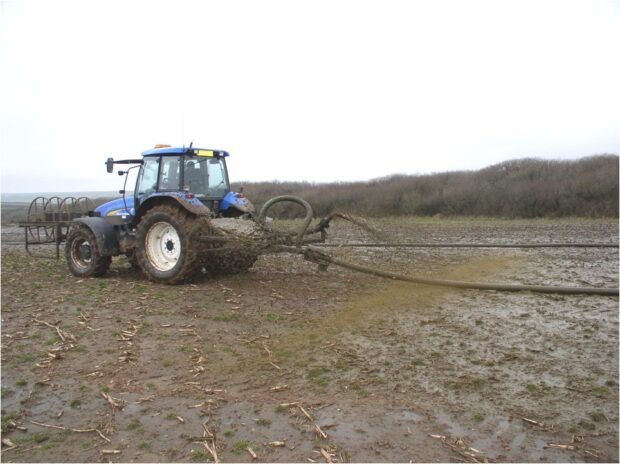
From an environmental point of view, spreading slurry during the winter months creates a significant pollution risk from run-off, damages soils and wastes valuable nutrients.
Spreading because your store is full, rather than because there is a soil or crop need, is also non-compliant with environmental regulations.
How much slurry storage capacity do I need?
The Silage, Slurry and Fuel Oil Regulations set out that all farms must have at least 4 months slurry storage.
If you’re in a Nitrate Vulnerable Zone, that requirement is higher. Check what applies to your livestock type.
Farming Rules for Water also say you should not apply more than the soil and crop actually need, and you should not create a pollution risk.
We recommend a minimum of 6 months slurry storage to ensure meeting the requirements of Farming Rules for Water.
What can I do to prepare my slurry storage for winter?
- Yard maintenance
Guttering that leaks or drainage that isn’t functioning properly can lead to an increase in slurry volume as clean rainwater mixes with manure in yards. Fixing any leaky pipes and gutters and making sure drains are free and running properly can make a difference. You may find these changes alone mean that your existing storage meets your requirements.
- Check slurry storage requirements
Use the AHDB slurry wizard to check how much slurry storage you need – this will show you if have enough storage to be compliant and to see you through the winter.
It can also help with planning for the future to assess the levels of capacity you may need for farm expansion, or to give you a buffer for contingency.
If your calculations show that you may not have enough storage, look at contingencies and get a plan in place to increase your storage capacity.
3. Plan for all eventualities
Whether you think you have enough storage capacity or not, making contingency plans could help you through if something unexpected happens.
Options to consider:
- Temporary storage at the place of production or use
- Off farm storage – can you find somewhere that slurry could be stored if your storage is full, or you have problems with infrastructure or machinery?
- Processing at an AD plant or other effluent treatment facility – is there one nearby you could take slurry to if needed?
- Discussing safe options for spreading with us – contact the Environment Agency to look at where on your farm might be safe for spreading in an emergency if your storage is full or about to overtop.
Read more about the guidance around storing slurry and planning a new store including notifying the Environment Agency at least 14 days before you build new storage for slurry or make substantial changes to an existing store.
Farmers can access Defra funding to improve slurry storage and management through the Capital Grant offer, expected to open 30 July. The Grant will fund items like automatic slurry scrapers, self-supporting covers for slurry and anaerobic digestate stores and floating covers for slurry and anaerobic digestate stores and lagoons. Read the full guidance for Capital Grants here - Applicant's guide: Capital Grants 2026 - GOV.UK
Being ready for winter can help your business all year round. Only applying organic fertiliser during the growing season means that crops and grass take up more of the nutrients, increasing yields. Keeping machinery off wet soils not only protects the soil, but saves unnecessary fuel, wear and tear and man hours.
See how a Cornish dairy farmer tackles slurry storage challenges and transforms his farm to meet regulations.
Get in touch
If you have questions about preparing for winter, we can help – contact our national customer contact centre and ask to be put in contact with your local agriculture team.
Environment Agency National Customer Contact Centre
Tel. 03708 506 506
Email: enquiries@environment-agency.gov.uk
Other resources:
Farming Advice Service: https://www.farmingadviceservice.org.uk/technical-article/environment-agency-winter-ready-cab-card
Catchment Sensitive Farming: Catchment Sensitive Farming: advice for farmers and land managers - GOV.UK (www.gov.uk)
Leave a comment