From roads to rivers: what does runoff mean for our waters? 
Posted by: , Posted on: - Categories: Nature, Rivers, Waste, Water
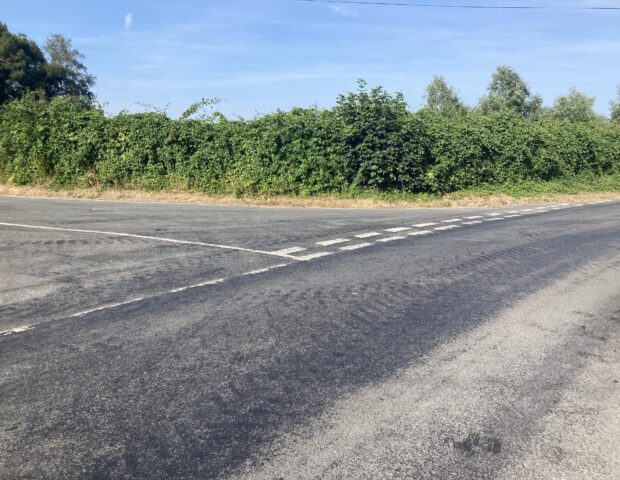
A T-Junction on a country road showing tyre wear marks

Road runoff can carry a mix of particles and chemicals into our water. Some of these are known to pose a risk to wildlife, while the risks from others are less well understood. New Environment Agency research is helping to build a clearer picture to help prioritise the action we and other organisations can take …


Understanding PFAS: what the Environment Agency's research reveals about “forever chemicals” 

Posted by: , Posted on: - Categories: Regulated industry, Rivers, Science, Water Monitoring
An Environment Agency scientist, a woman with brown-red hair and goggles, uses a piece of lab equipment on a desk

Few groups of chemicals have attracted as much attention in recent years as PFAS. At the Environment Agency, we're working to better understand where PFAS are found, how they move through the environment, and how their impact can be reduced. …

Beyond the floodwater: the lasting impact of flooding and coastal change

Car submerged in water

When we think about flooding and coastal erosion, it is often the physical impacts that come to mind: flooded homes, damaged businesses, disrupted infrastructure and changing coastlines. However, the effects can go much further.

Radioactivity in food and the environment - our 2025 report.

Posted by: , Posted on: - Categories: Nuclear, Our staff, Regulated industry
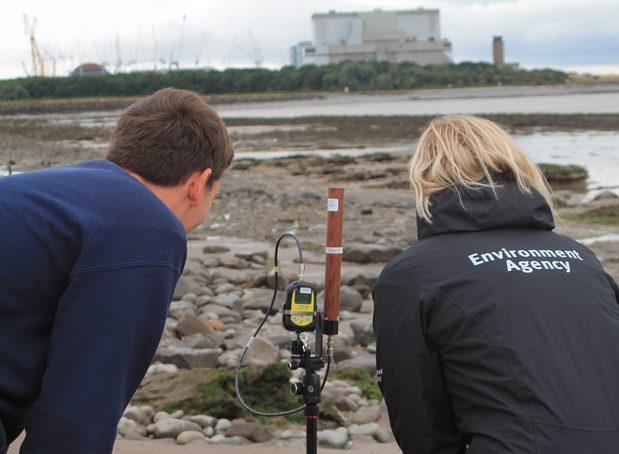
Technical staff using monitoring equipment near the Hinkley Point nuclear site

In this blog, the Environment Agency’s radiological monitoring and assessment specialists Becca Williams and Rob Dean share the headlines from this year’s monitoring and assessment work and reveal how artificial radioactivity gets into the environment.

How waste sites are monitored: who deals with odour and other types of pollution?

Posted by: , Posted on: - Categories: Environment Agency, Regulated industry, Waste
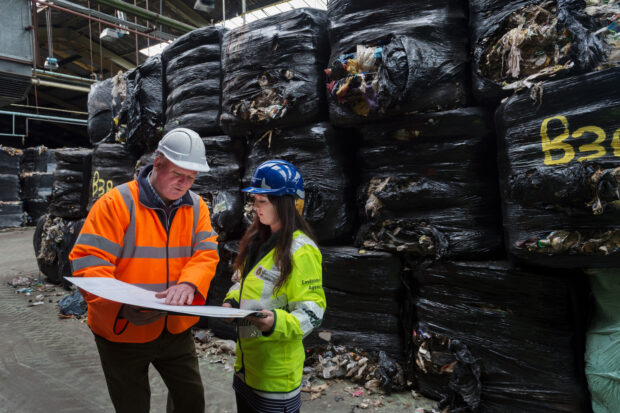
Two EA staff monitoring a waste site with waste bales in the background

If you live near a waste site, recurring odour pollution or concerns about other types of pollution can quickly become a source of stress. Monitoring is a shared responsibility. Site operators must monitor and manage their sites. The Environment Agency …

How waste sites are regulated: what the Environment Agency and operators are responsible for. 

Posted by: , Posted on: - Categories: Environment Agency, Regulated industry, Waste
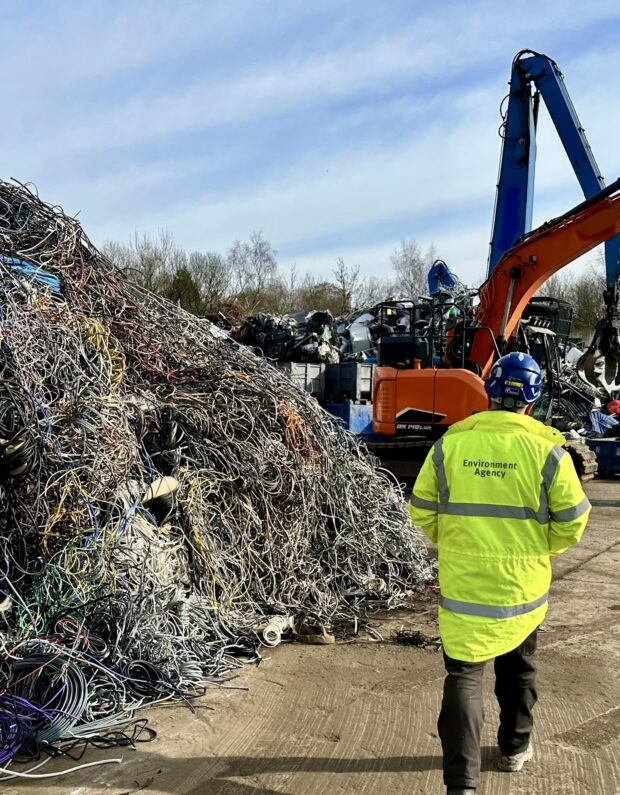
Environment Agency staff member undertaking a waste site inspection with waste and machinery

The Environment Agency is the main body in England responsible for making sure waste is regulated effectively. As the population grows and the climate changes, managing waste well is more important than ever for a sustainable future. Our rules help …

Three nations, one rising tide: how the Environment Agency, the Netherlands and the United States of America work together to keep communities safe 

Posted by: , Posted on: - Categories: Flood
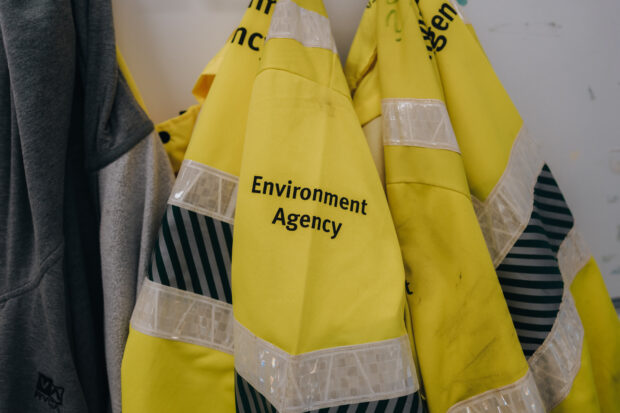
Yellow Environment Agency hi-vis jackets that have been hung up.

None of us can manage the pressures of a changing climate alone, and we all stand to benefit from sharing what we've learned.