Environment Agency
By Dr Rob Bradburne, Environment Agency Chief Scientist How does climate change affect drought? This summer has been a reminder that climate change is no longer something we talk about in terms of future generations. For many people, this summer …
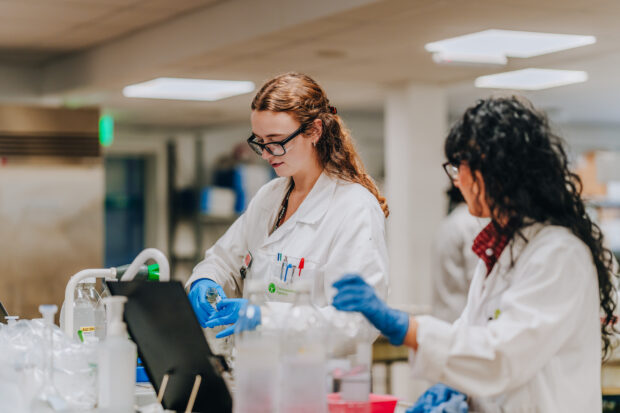
Every year, the Environment Agency processes over 13,000 permit applications. These decisions cover an enormous range of activity. From a small waste transfer site to permits regulating how the nation handles nuclear waste, every single one matters because they protect …
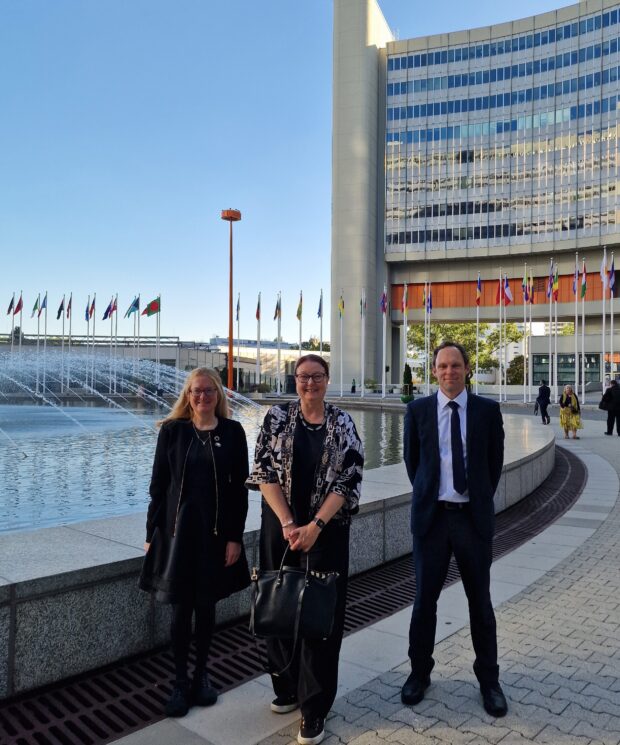
Last week, representatives from the International Atomic Energy Agency's (IAEA) 181 Member States gathered in Vienna for the Agency's 70th General Conference. As governments, regulators and industry leaders discussed the future of nuclear energy, one theme came up time and again in my conversations: how can regulation support innovation, investment and growth while maintaining public …
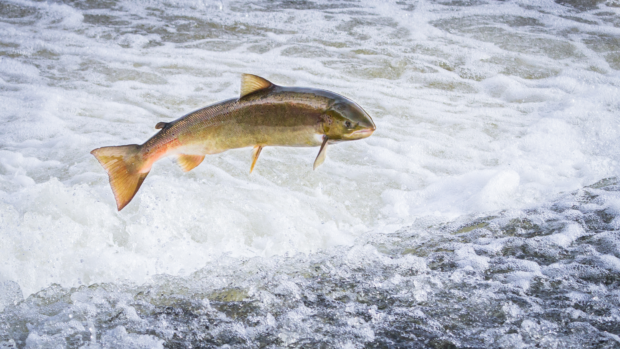
Atlantic salmon are a remarkable and iconic species. Hatching in rivers across Northern Europe, they migrate thousands of miles across the North Atlantic to feed and grow before returning to those same rivers to spawn. Every year, the Centre for Environment, Fisheries and Aquaculture …
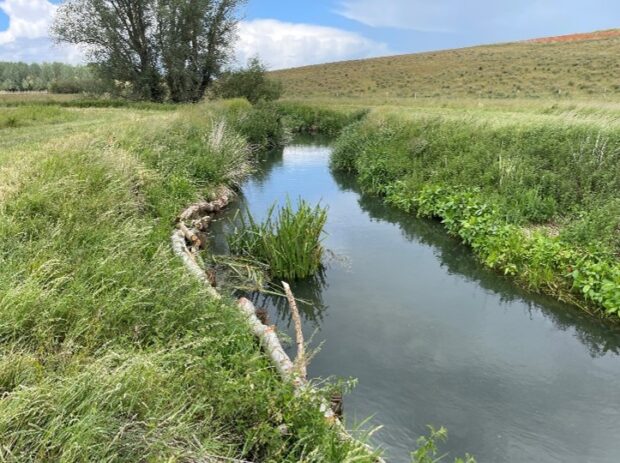
Chalk streams are among the rarest freshwater habitats on Earth, with around 85% of the world's 280 chalk streams found in England.
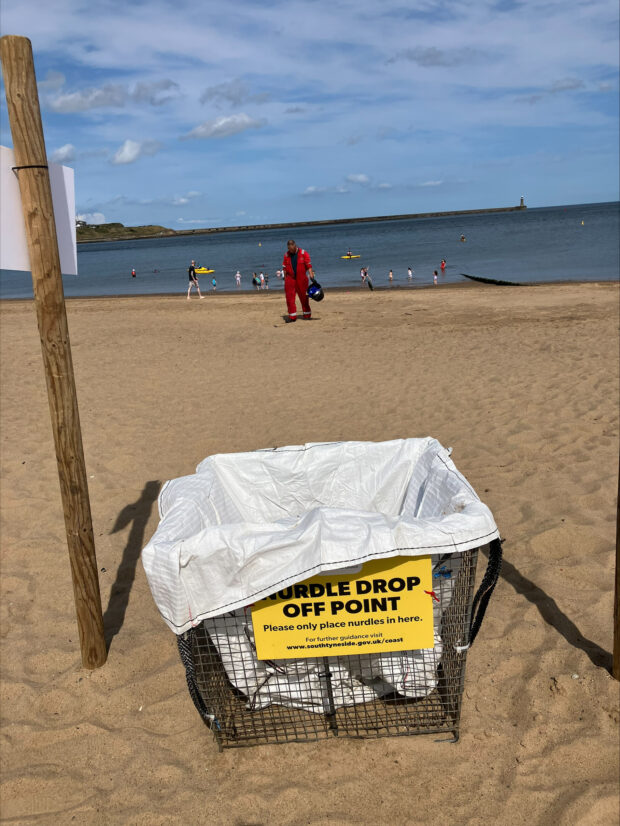
By Dr Rob Bradburne, Environment Agency Chief Scientist When incidents happen, good decisions depend on good science. That is certainly true of the ongoing recovery along North East England's coast, where a maritime collision released small pellets of plastic, known …
Regulating the environmental performance of the water industry is a core Environment Agency function. Since 2023 we have been transforming the way we regulate the water industry. Backed by significant investment we are delivering increased scrutiny and oversight through a specialised workforce dedicated to each water and sewerage company. We recognise that further change is needed and that improvements …
Each time we publish the latest assessment of England's waters through the Water Environment (Water Framework Directive) Regulation classification, a familiar headline emerges: only a minority of rivers, lakes and estuaries achieve "good" overall status. It's a figure that invites a simple reading: that progress is “too slow”, that investment “hasn't delivered”, that the water environment is stagnating or declining. Those concerns are understandable, but they …
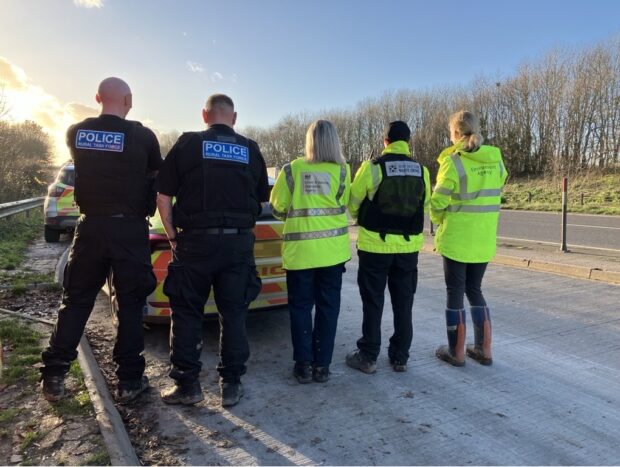
Waste crime isn't fly-tipping. It's a billion-pound criminal enterprise in which organised crime groups exploit the waste industry to launder money, evade tax, undercut legitimate businesses, and pollute communities and the environment, while presenting themselves as lawful operators. These criminals …
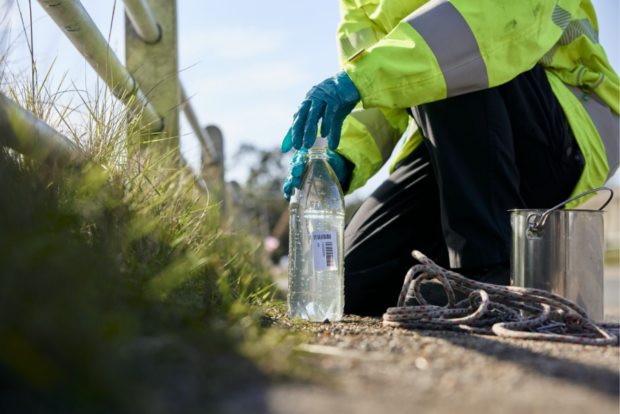
Water is a precious resource that we can’t live without; from supplying drinking water and supporting fisheries, to providing an essential resource to business and agriculture, as well as a source of recreation. It is important that our rivers, lakes, …