Science
By Dr Rob Bradburne, Environment Agency Chief Scientist How does climate change affect drought? This summer has been a reminder that climate change is no longer something we talk about in terms of future generations. For many people, this summer …
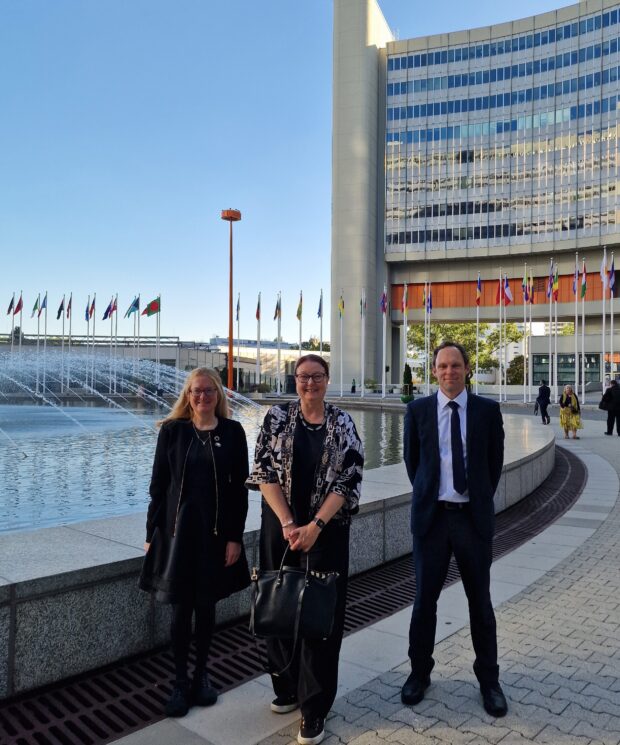
Last week, representatives from the International Atomic Energy Agency's (IAEA) 181 Member States gathered in Vienna for the Agency's 70th General Conference. As governments, regulators and industry leaders discussed the future of nuclear energy, one theme came up time and again in my conversations: how can regulation support innovation, investment and growth while maintaining public …
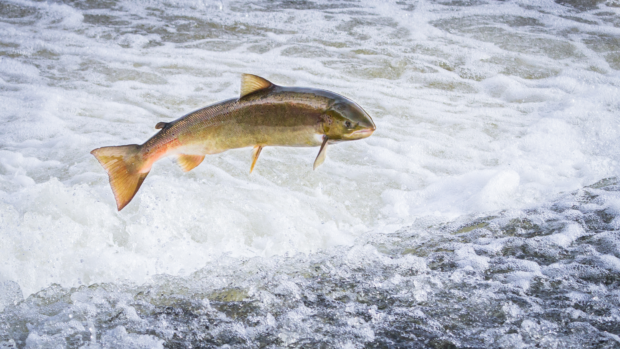
Atlantic salmon are a remarkable and iconic species. Hatching in rivers across Northern Europe, they migrate thousands of miles across the North Atlantic to feed and grow before returning to those same rivers to spawn. Every year, the Centre for Environment, Fisheries and Aquaculture …
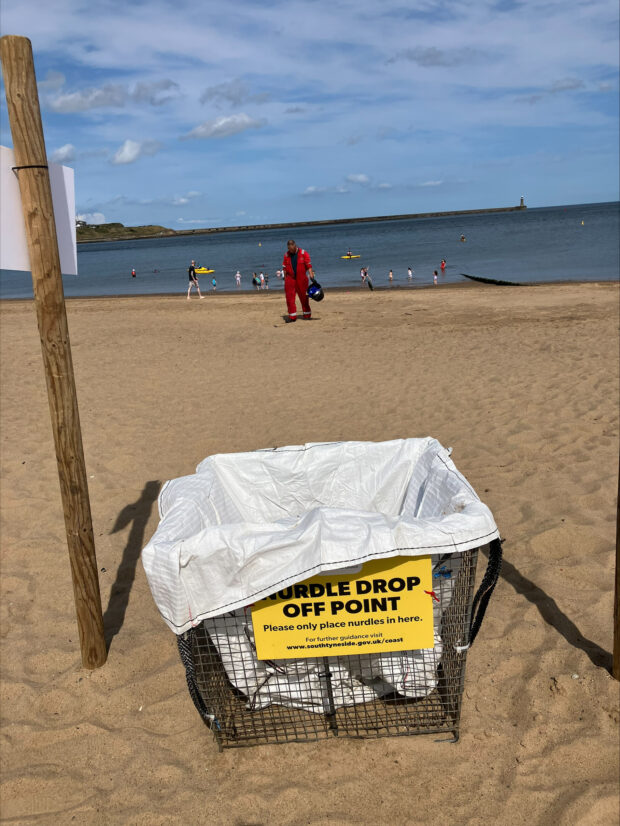
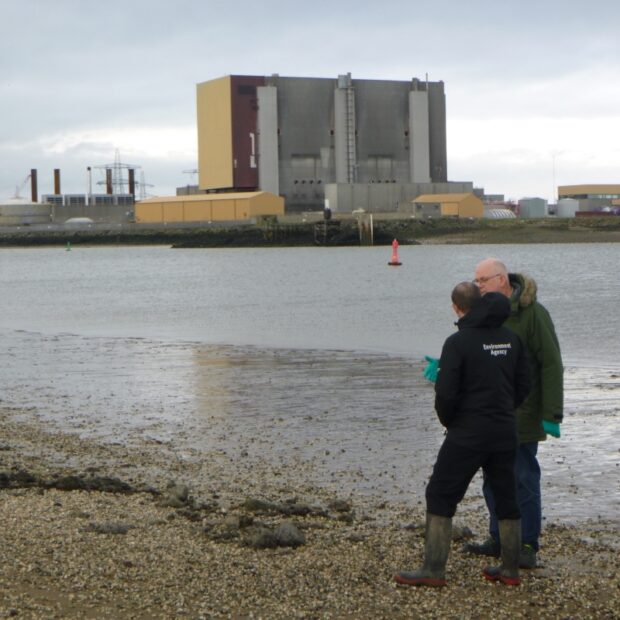
By Dr Rob Bradburne, Environment Agency Chief Scientist When incidents happen, good decisions depend on good science. That is certainly true of the ongoing recovery along North East England's coast, where a maritime collision released small pellets of plastic, known …
This research is another important contribution to our understanding of Windermere, giving us and our partners greater insight to inform decisions about managing nutrient pollution as the climate changes. The modelling approach can also be applied to other lakes facing similar pressures, helping identify which interventions will work best and where.
Protecting the environment in an interconnected world means looking beyond our own borders. Air pollution, climate change, emerging chemicals, radioactive substances and waste crime all present challenges that require shared expertise and harmonised regulatory action across countries. That's why the Environment Agency plays an active and increasing international role - sharing knowledge, learning from new …
We’re delighted to announce the launch of a new digital tool that lets you report on the health of your local rivers, lakes and beaches in real-time, directly from your phone. BluePrint, developed by the Environment Agency in partnership with Hello Lamp Post, builds on the success of WaterWatch - a year-long pilot that gathered public observations at five bathing water sites. Now, the concept is going national.
Today marks a significant moment for all of us who care about England’s rivers and streams. Today, we’re releasing our first set of analysis-ready water data under Defra’s Natural Capital and Ecosystem Assessment (NCEA) programme and I’m immensely proud of the work of hundreds of committed Environment Agency Staff that has got us to this point.
By Stuart Allen (Environment Agency Principal Scientist) with Dr Gemma Coxon (University of Bristol) and Dr Glenn Watts (UKCEH) England has just emerged from its driest spring in 132 years. Summer has seen little relief, with back-to-back heatwaves and drought …
When I first stepped into the Chief Scientist role at the Environment Agency, one of my earliest visits was to observe how our teams monitor England's rivers. What I witnessed was nothing short of remarkable—a complex network of skilled professionals …