Environment Agency

Environmental permits: why they matter and how we're making it quicker to get one 

Posted by: and , Posted on: - Categories: Environment Agency, Flood, Regulated industry, Waste

Every year, the Environment Agency processes over 13,000 permit applications.   These decisions cover an enormous range of activity. From a small waste transfer site to permits regulating how the nation handles nuclear waste, every single one matters because they protect …

How does the Environment Agency manage abstraction to protect the environment?

Posted by: , Posted on: - Categories: agriculture, Climate change, Drought, Regulated industry, Rivers, Water
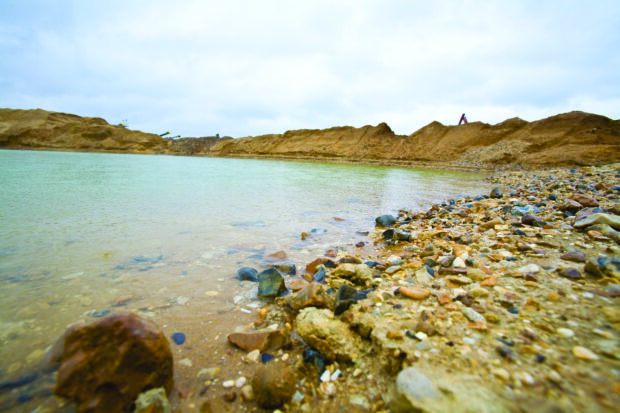
Image of a farm reservoir

Water is essential for drinking, farming, industry, wildlife and recreation. Sustainable water abstraction is essential to ensure that river flows and groundwater levels support ecology and natural resilience. We work side by side with abstractors, combining their knowledge of the land with ours, to …

Wrong pipe, wrong place: the misconnection problem

Posted by: , Posted on: - Categories: Rivers, Water, Water Monitoring
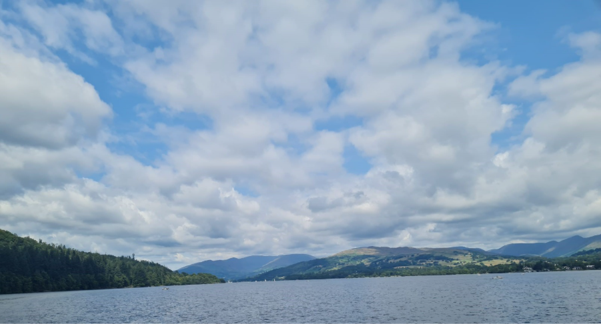
View of Lake Windermere

Elizabeth Maerz, Environment Officer for Cumbria Every day, our officers investigate pollution reports across the country's rivers and lakes. Surprisingly often, the cause is something quite ordinary: a household drainage system connected the wrong way round. Windermere, England's largest lake, …

Can nuclear regulation protect people and the environment and support innovation? Moving from promise to safe, sustainable progress.

Posted by: , Posted on: - Categories: Nuclear, Regulated industry, Sustainability, Uncategorized
Spot the robot dog in the Calder turbine hall at Sellafield

Jake Surman is the Environment Agency’s innovation lead in our nuclear strategy team. As the Heads of Innovation Forum meets for its annual meeting Jake provides an update on our work New nuclear technologies, novel uses of radioactive substances and advancing digital innovations could help the UK produce cheaper low carbon energy, speed-up nuclear decommissioning …

England's salmon stocks: what the latest data tells us 

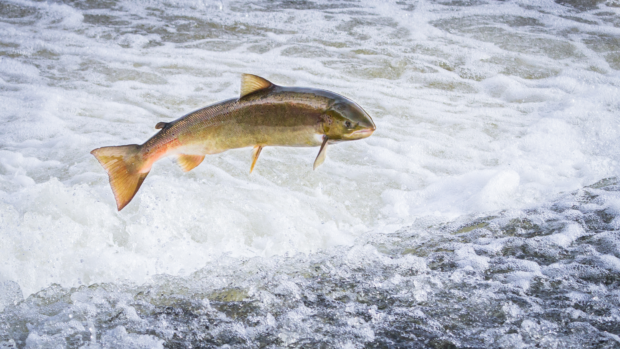
Photo showing a salmon jumping in a river.

Atlantic salmon are a remarkable and iconic species. Hatching in rivers across Northern Europe, they migrate thousands of miles across the North Atlantic to feed and grow before returning to those same rivers to spawn.      Every year, the Centre for Environment, Fisheries and Aquaculture …

Enabling the safe and sustainable growth of the fusion industry

Posted by: , Posted on: - Categories: Nuclear, Regulated industry
Photo showing the Joint European Torus (JET) with plasma

Yasmin is an advisor in our Advanced Technologies and Fusion Strategy team. Here she highlights the benefits of our new early engagement process and the Environment Agency’s role regulating the fusion industry. The Environment Agency, working alongside the Health and Safety Executive, is the regulator of fusion research sites and will jointly regulate future commercial …

Why water regulation is changing – and how Clear Waters is helping 

Posted by: , Posted on: - Categories: Environment Agency, Ofwat, Regulated industry, Rivers, Water, Water Monitoring
Image of the Clear Waters logo featuring the name within two green circular rings

Regulating the environmental performance of the water industry is a core Environment Agency function. Since 2023 we have been transforming the way we regulate the water industry. Backed by significant investment we are delivering increased scrutiny and oversight through a specialised workforce dedicated to each water and sewerage company.   We recognise that further change is needed and that improvements …

How the Joint Unit for Waste Crime is dismantling organised crime in the UK waste industry 

Posted by: , Posted on: - Categories: Environment Agency, Waste crime

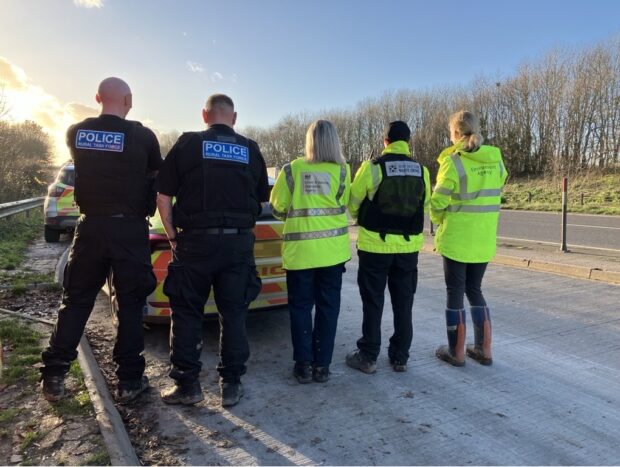
Waste crime isn't fly-tipping. It's a billion-pound criminal enterprise in which organised crime groups exploit the waste industry to launder money, evade tax, undercut legitimate businesses, and pollute communities and the environment, while presenting themselves as lawful operators.  These criminals …