Jake Surman is the Environment Agency’s innovation lead in our nuclear strategy team. As the Heads of Innovation Forum meets for its annual meeting, Jake provides an update on our work.
New nuclear technologies, novel uses of radioactive substances and advancing digital innovations could help the UK produce cheaper low carbon energy, speed-up nuclear decommissioning and develop new medical treatments. They also raise important questions for people, places and the environment.
That is why good regulation matters. It helps innovation move forward in a way that protects people and the environment, rather than treating safety and environmental protection as something to think about later.
Our regulatory work takes us out to nuclear sites and organisations that use radioactive substances. And it’s there that our regulators are seeing and hearing about the challenges operators face. So, we’re working with them to resolve these challenges. And yes, we can do both – support innovation and protect people and the environment. We’re advocates of responsible innovation and will provide that early advice to industry to enable new ways of working – ensuring that environmental protection is at the heart of everything we do.
How are the Environment Agency and Office for Nuclear Regulation working with the nuclear industry?
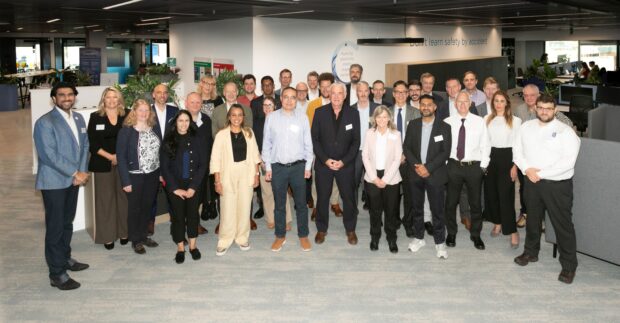
On 17 September the Environment Agency and Office for Nuclear Regulation (ONR) brought together 30 senior innovation leads from industry and regulation for the second nuclear industry Heads of Innovation Forum. The aim was simple: to share what has worked, learn what could be done better and agree where working together can make the biggest difference.
We agreed the most important topics for our 2027/28 nuclear regulation and innovation work. This will help regulators and industry focus time and effort where they can have the greatest impact. These topics include:
- simplification and more efficient processes;
- innovation in radioactive waste management;
- licensing and permitting aspects associated with new reactor technologies;
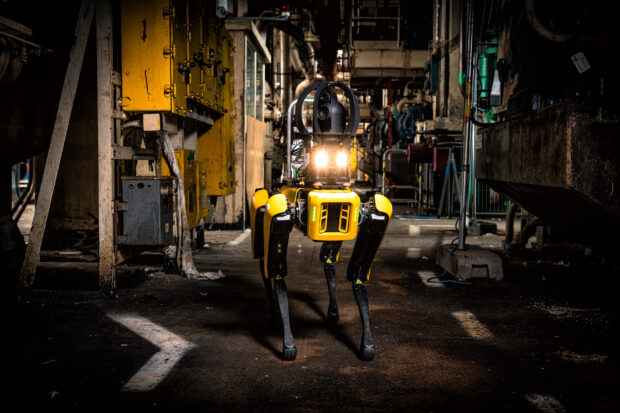
- robotics and autonomous systems;
- adoption of new technology (including artificial intelligence, quantum sensing, wireless instrumentation, advanced manufacturing, battery technologies); and
- innovation in construction.
What support can regulators offer?
We’ll use three practical ways of working to help understand and tackle barriers. These are:
- expert panels;
- innovation advice; and
- regulatory sandboxing.
These approaches let regulators and industry talk early about new ideas. They help everyone understand what may be possible, what the real challenges are and what evidence will be needed before decisions are made. Early advice can also help reduce the risk of costly changes or regulatory intervention later, by identifying issues while designs and plans are easier to adapt.
These approaches do not replace formal decisions on permits or compliance. They sit alongside them. We separate our innovation work from regulatory decisions, so we can support new ideas without weakening our duty to protect people and the environment.
How do you use expert panels?
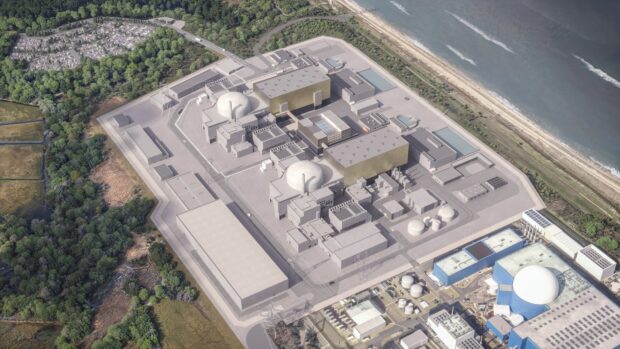
We’ve recently used expert panels to explore how we can regulate remote operations in nuclear facilities. An example of this is how robots used for radioactive waste management could be safely controlled from outside the boundary of a nuclear site to help speed up nuclear decommissioning. We’ll publish the findings soon. The ONR has led the organisation of another expert panel looking at how decisions can be made across groups of similar facilities or technologies, which we’re contributing to, and may help the fleet design and operation of nuclear reactors become a reality. This work is looking to learn from and build upon the replication case between Hinkley Point C and Sizewell C.
How can early innovation advice support new ideas?
Our innovation advice has supported work on novel medical radionuclides - radioactive substances used in medical diagnosis and treatment. The regulatory study we contributed to is helping inform investment in new treatments, including lead-212 generators that could support cutting edge cancer care.
How does safe testing reduce uncertainty?
Regulatory sandboxing lets regulators and industry test new ideas in a controlled way. With ONR, our sandboxes have explored artificial intelligence and machine learning applications in nuclear, including how new technologies could support radioactive waste management. Our work is helping to reduce uncertainty by bringing safety, security and environmental protection into the design and development stages.
These projects are now shaping further work in the UK and overseas, including an international regulatory sandbox led through the Nuclear Energy Agency.
What’s next for our nuclear regulation and innovation work?
As we move forwards, we want innovators, operators and regulators to ask those questions that matter most. Working together early, and acting on evidence, can help new technologies and ideas in nuclear move from promise to safe, sustainable progress.
Contact us: nuclear@environment-agency.gov.uk
Follow our work on LinkedIn: https://www.linkedin.com/showcase/regulating-radioactive-substances
Leave a comment