Environment Agency
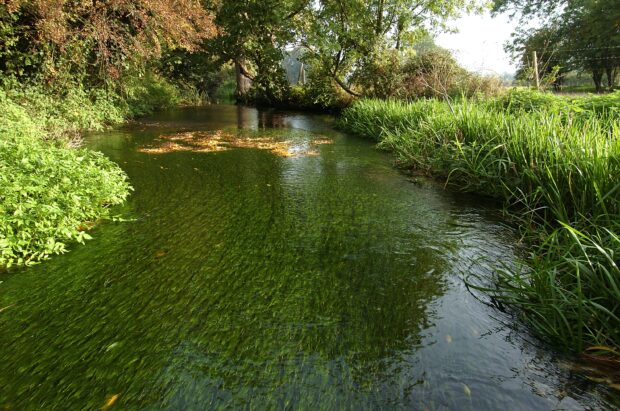
By Helen Wakeham, Director of Water World Rivers Day, celebrated every year on the fourth Sunday of September, is a global event that highlights the importance of rivers and the urgent need to protect them. Public concern around pollution in …
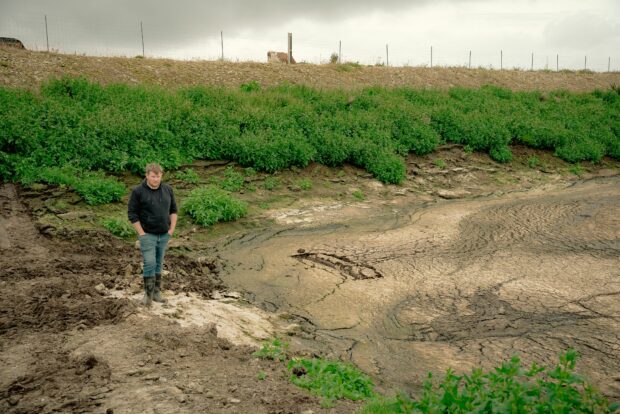
We recently met up with Tom, a dairy farmer in Cornwall, who had made some major changes to his farm infrastructure. Tom acted to bring his slurry storage into compliance with the Silage, Slurry and Fuel Oil regulations and to …
My name is Dan Hayter and I work for the Environment Agency as a fish and eel specialist in the National Monitoring Field Team and the Fisheries, Biodiversity and Geomorphology team based in East Anglia. There are many elements to …
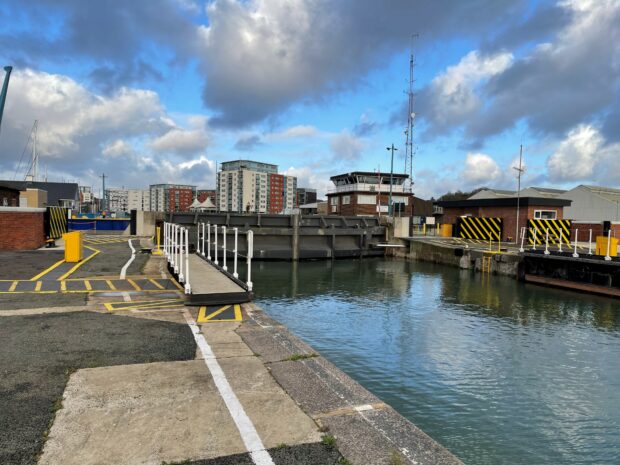
In 2018, the Environment Agency commissioned the Ipswich Tidal Barrier, a critical infrastructure project costing nearly £70 million. Six years on, the Suffolk Asset Performance Team tell us what has happened since. The Ipswich Tidal Barrier consists of a 200-tonne …
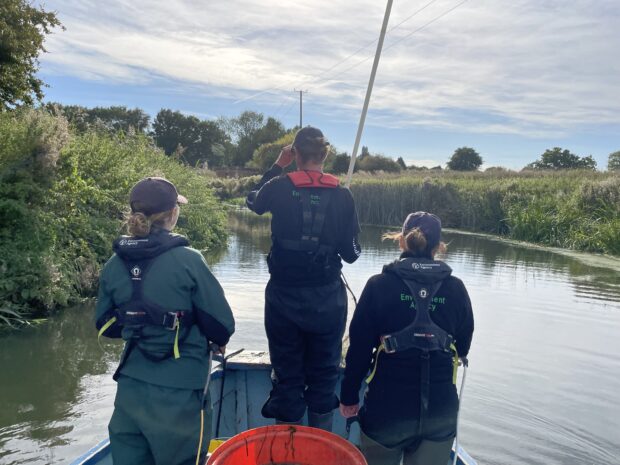
My name is Dan Hayter and I work for the Environment Agency in East Anglia. Part of my job involves monitoring the number of fish we have in our rivers and one way I do this is through fish surveys. …
My name is Nicola and I work as a Catchment Co-ordinator in the East Anglia Environment Programme team. I work across Essex from the River Colne to the Mardyke including our extensive coastline. A key aspect of my job is …
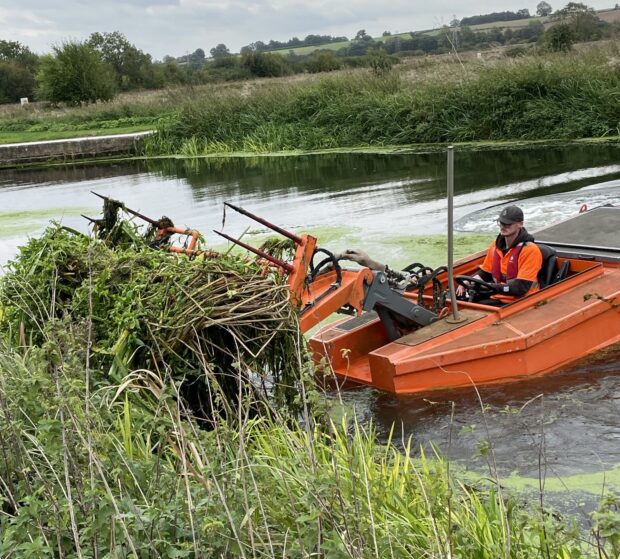
Abigail Ovenden, Asset Management Engagement Advisor, looks at how the Environment Agency reduces flood risk in Lincolnshire and Northamptonshire by cutting vegetation. Environment Agency teams (and contractors on our behalf) manage vegetation and weed growth along 2,210 kilometres of Main …
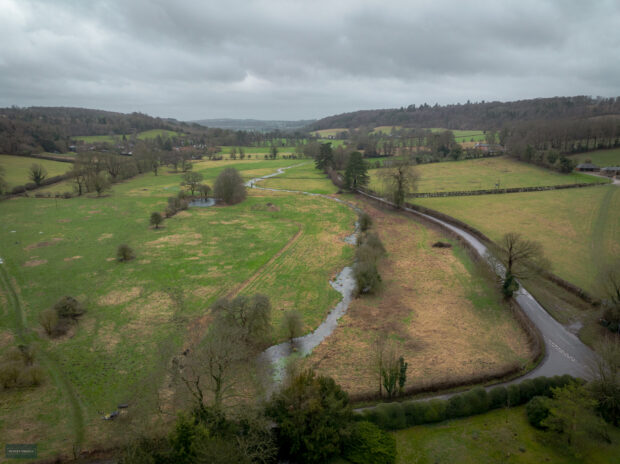
New life has been breathed into Buckinghamshire’s Hamble Brook by a substantial wetland site spanning 2,500 square metres. This work, led by the Chilterns Chalk Streams Project, further extends the largest scheme of its kind involving the Environment Agency, and …
Hull is a city that has long been defined by its relationship with water. Environment Programme Project Manager, Dan Jagucki, talks about an innovative project to bring new life into Hull’s urban waterways. Hundreds of years ago the city and …
The water industry is underperforming, and it needs to change. We know that people want and deserve more for their water environment. We are meeting this challenge head on. We want to be a modern, confident and efficient regulator. To enable …