Regulated industry
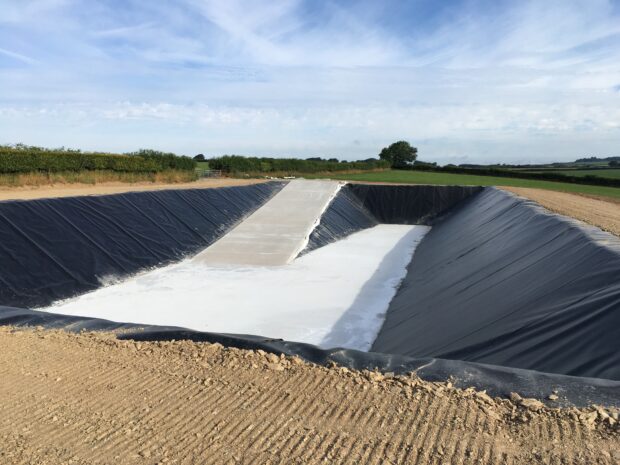
With cattle being brought into sheds and increased rainfall, winter can mean pressure on slurry storage, leading to some people spreading slurry on land during the winter. This can cause problems for their business and the environment. Spreading slurry on …
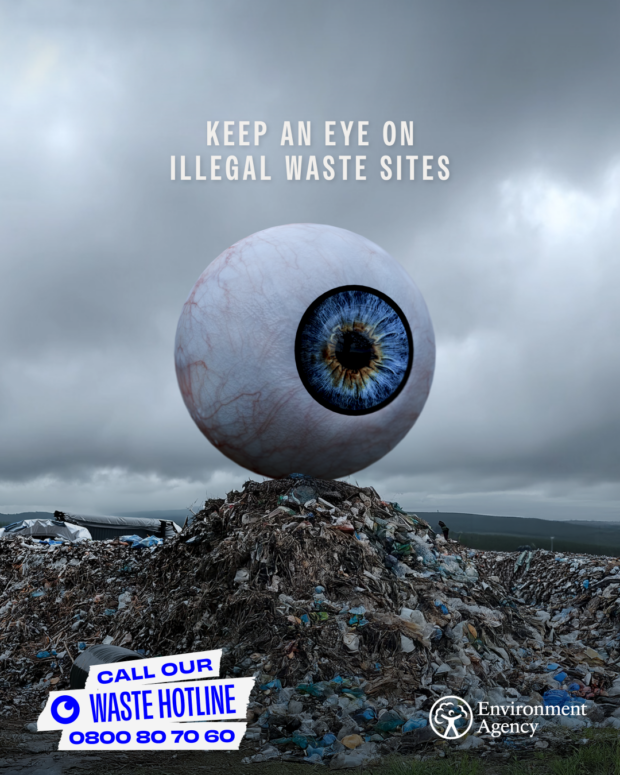
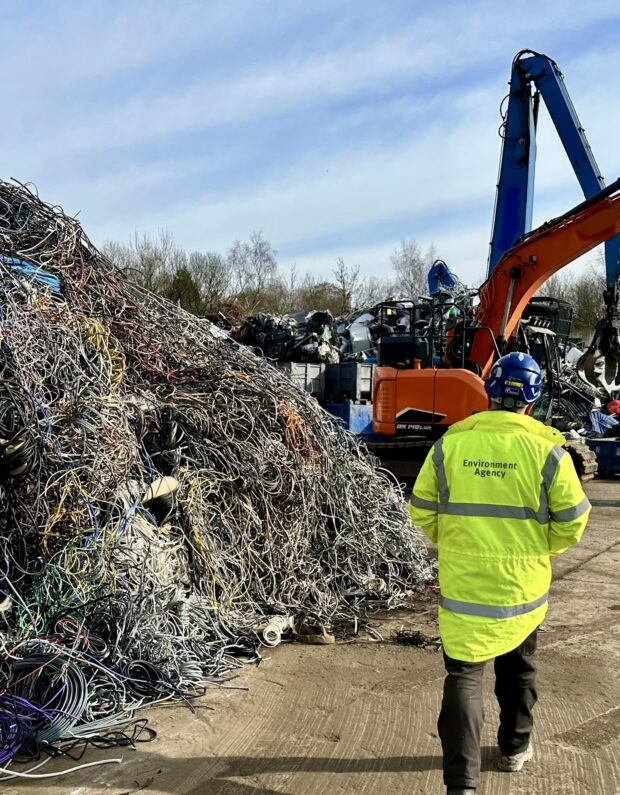
How to do the right thing with your waste You've probably seen it. The lorry turning up at odd hours. The site that's suddenly full when it was empty last month. The smoke that shouldn't be there, or the smell …
Few groups of chemicals have attracted as much attention in recent years as PFAS. At the Environment Agency, we're working to better understand where PFAS are found, how they move through the environment, and how their impact can be reduced. …
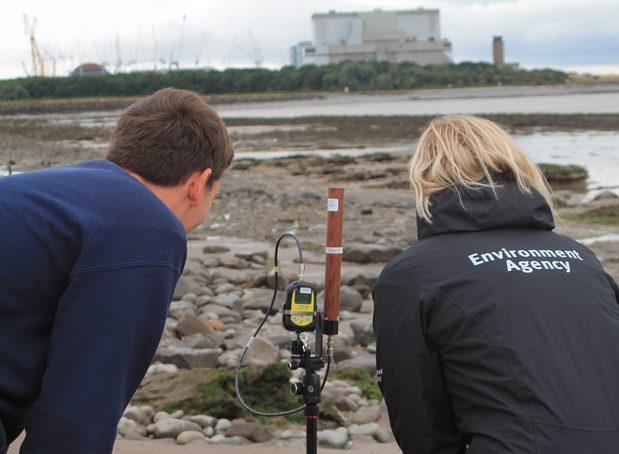
In this blog, the Environment Agency’s radiological monitoring and assessment specialists Becca Williams and Rob Dean share the headlines from this year’s monitoring and assessment work and reveal how artificial radioactivity gets into the environment.
If you live near a waste site, recurring odour pollution or concerns about other types of pollution can quickly become a source of stress. Monitoring is a shared responsibility. Site operators must monitor and manage their sites. The Environment Agency …
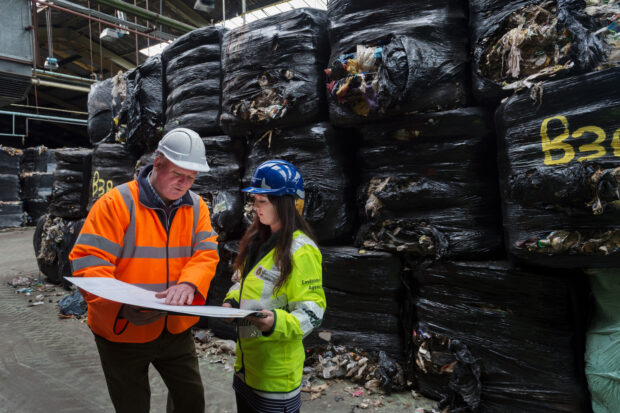
The Environment Agency is the main body in England responsible for making sure waste is regulated effectively. As the population grows and the climate changes, managing waste well is more important than ever for a sustainable future. Our rules help …
In 2022, after 46 years of generation, Hinkley Point B (HPB) switched off its last operational reactor and began defueling. The Office for Nuclear Regulation (ONR) declared the site free of nuclear fuel in January 2026. Alister, our Hinkley Point …
Every year, the Environment Agency processes over 13,000 permit applications. These decisions cover an enormous range of activity. From a small waste transfer site to permits regulating how the nation handles nuclear waste, every single one matters because they protect …
Water is essential for drinking, farming, industry, wildlife and recreation. Sustainable water abstraction is essential to ensure that river flows and groundwater levels support ecology and natural resilience. We work side by side with abstractors, combining their knowledge of the land with ours, to …
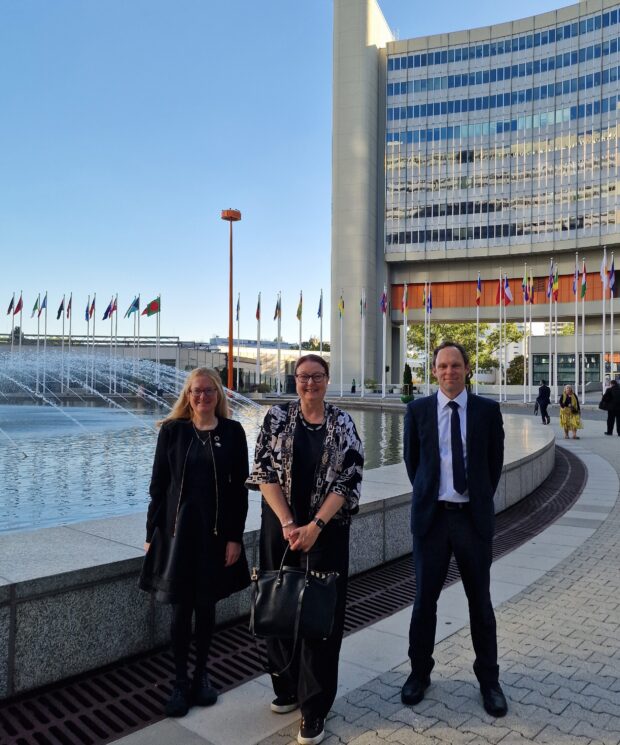
Last week, representatives from the International Atomic Energy Agency's (IAEA) 181 Member States gathered in Vienna for the Agency's 70th General Conference. As governments, regulators and industry leaders discussed the future of nuclear energy, one theme came up time and again in my conversations: how can regulation support innovation, investment and growth while maintaining public …