Water
Posts about our work to improve the water environment
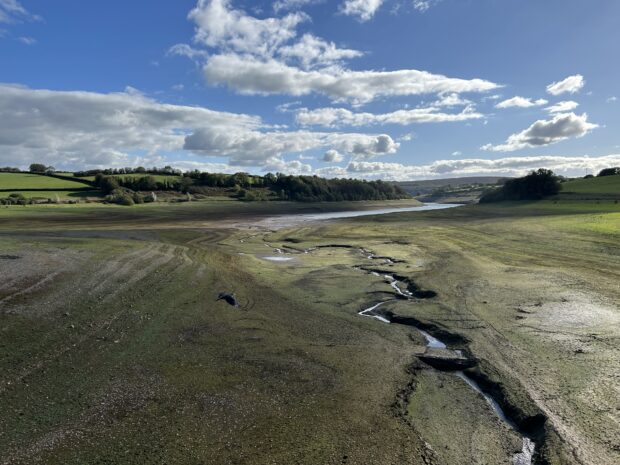
On 15 October 2026, Severe drought status was declared for parts of Cornwall, Devon, Dorset, Somerset, East Sussex and West Sussex after the driest April to September in over a century depleted local reservoir levels - with further dry weather expected for the rest of October.
By Dr Rob Bradburne, Environment Agency Chief Scientist How does climate change affect drought? This summer has been a reminder that climate change is no longer something we talk about in terms of future generations. For many people, this summer …
Water is essential for drinking, farming, industry, wildlife and recreation. Sustainable water abstraction is essential to ensure that river flows and groundwater levels support ecology and natural resilience. We work side by side with abstractors, combining their knowledge of the land with ours, to …
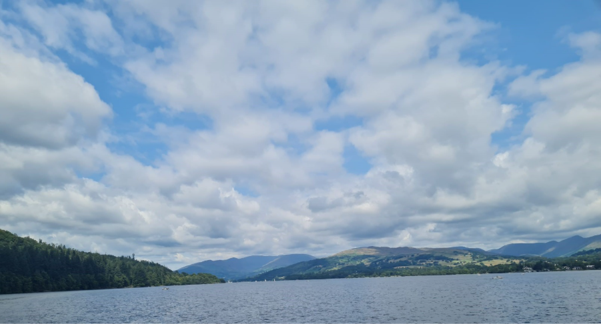
Elizabeth Maerz, Environment Officer for Cumbria Every day, our officers investigate pollution reports across the country's rivers and lakes. Surprisingly often, the cause is something quite ordinary: a household drainage system connected the wrong way round. Windermere, England's largest lake, …
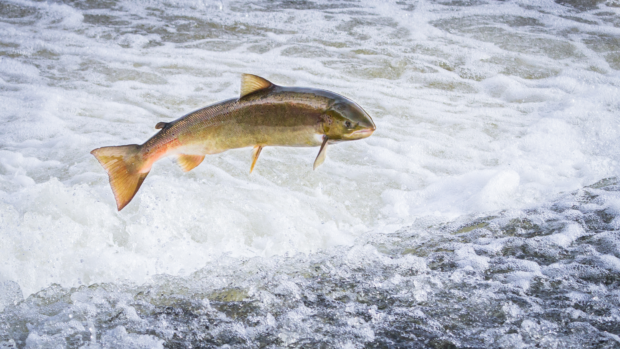
Atlantic salmon are a remarkable and iconic species. Hatching in rivers across Northern Europe, they migrate thousands of miles across the North Atlantic to feed and grow before returning to those same rivers to spawn. Every year, the Centre for Environment, Fisheries and Aquaculture …
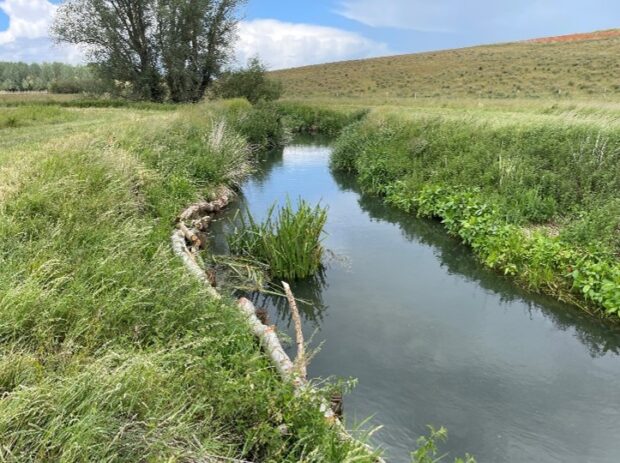
Chalk streams are among the rarest freshwater habitats on Earth, with around 85% of the world's 280 chalk streams found in England.
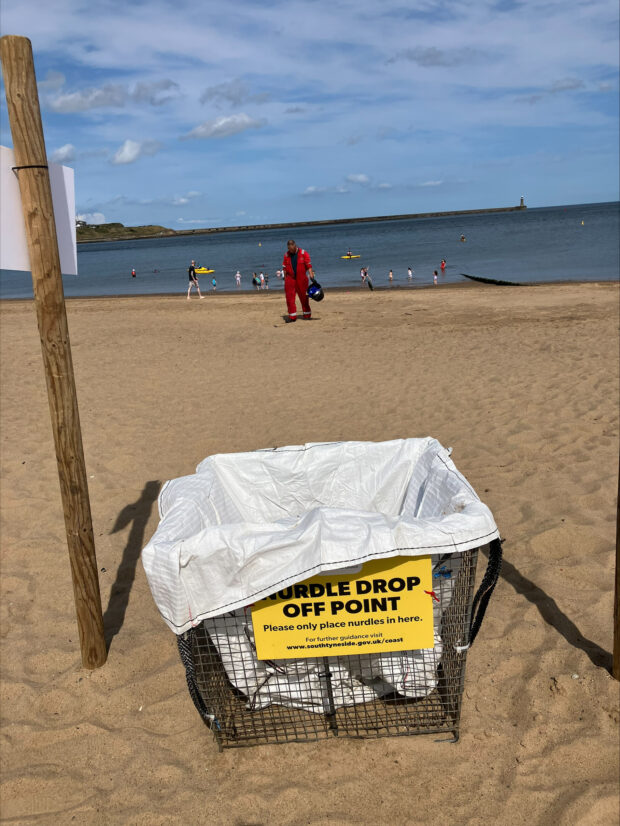
By Dr Rob Bradburne, Environment Agency Chief Scientist When incidents happen, good decisions depend on good science. That is certainly true of the ongoing recovery along North East England's coast, where a maritime collision released small pellets of plastic, known …
Two years ago, the Environment Agency created the Chief Regulator's Group to provide strategic leadership for regulation. We’re helping create a more consistent, effective and proportionate regulatory system and strengthening the connection between strategy, policy and delivery.
Regulating the environmental performance of the water industry is a core Environment Agency function. Since 2023 we have been transforming the way we regulate the water industry. Backed by significant investment we are delivering increased scrutiny and oversight through a specialised workforce dedicated to each water and sewerage company. We recognise that further change is needed and that improvements …
Each time we publish the latest assessment of England's waters through the Water Environment (Water Framework Directive) Regulation classification, a familiar headline emerges: only a minority of rivers, lakes and estuaries achieve "good" overall status. It's a figure that invites a simple reading: that progress is “too slow”, that investment “hasn't delivered”, that the water environment is stagnating or declining. Those concerns are understandable, but they …