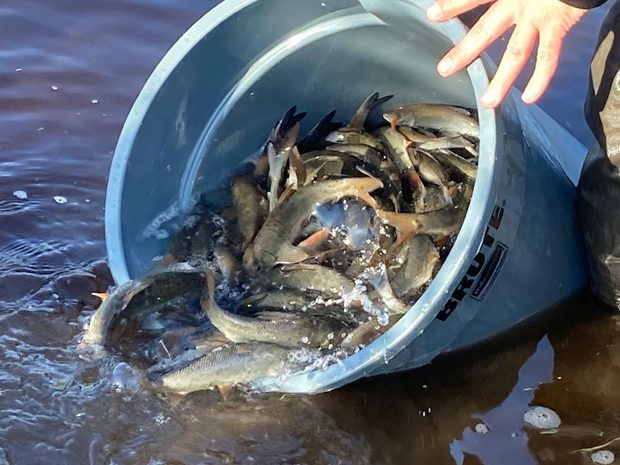
Funded entirely by anglers’ fishing licence income, Calverton Fish Farm just outside Nottingham is a key part of the Environment Agency’s goal to maintain, develop and improve freshwater fisheries across the country.
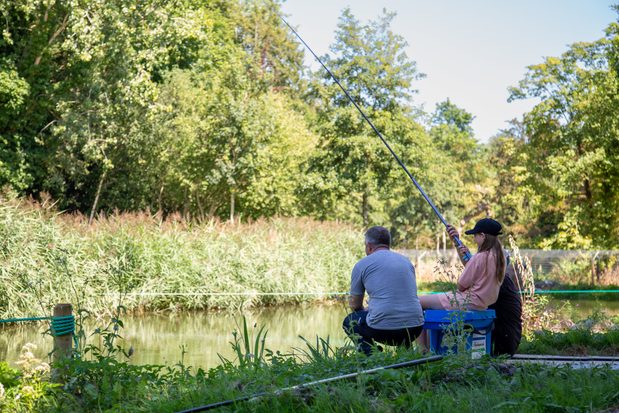
When you buy a fishing licence, you're not only staying on the right side of the law, but you’re also helping the Environment Agency to support vital work that keeps England’s rivers, lakes and fisheries healthy and thriving.
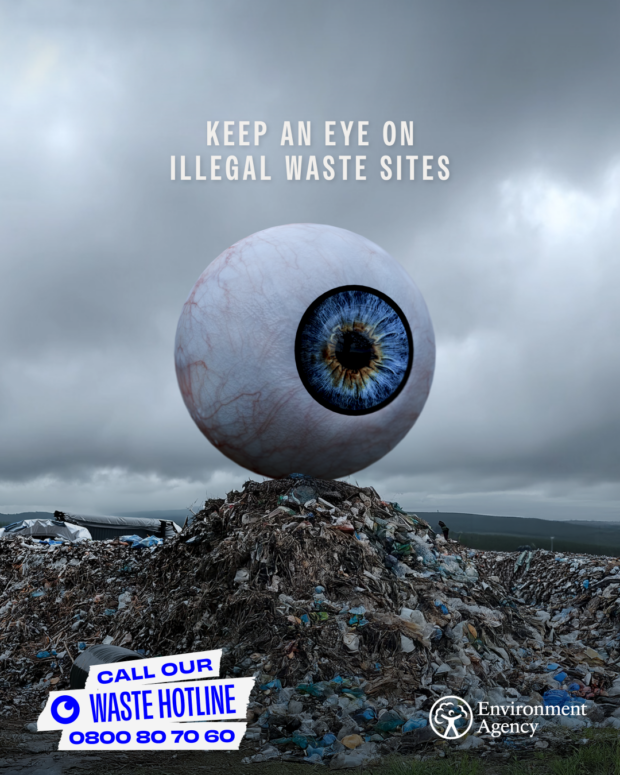
How to do the right thing with your waste You've probably seen it. The lorry turning up at odd hours. The site that's suddenly full when it was empty last month. The smoke that shouldn't be there, or the smell …
Road runoff can carry a mix of particles and chemicals into our water. Some of these are known to pose a risk to wildlife, while the risks from others are less well understood. New Environment Agency research is helping to build a clearer picture to help prioritise the action we and other organisations can take …
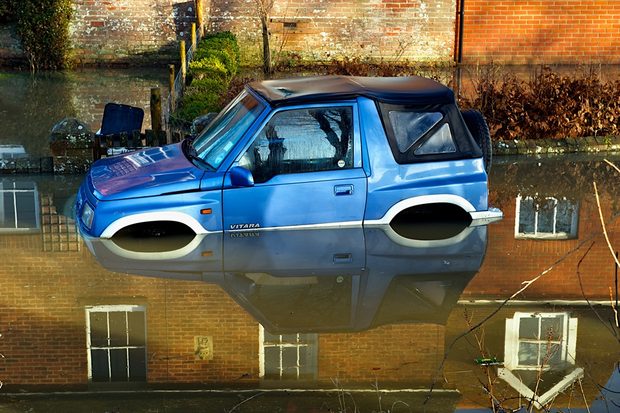
When we think about flooding and coastal erosion, it is often the physical impacts that come to mind: flooded homes, damaged businesses, disrupted infrastructure and changing coastlines. However, the effects can go much further.
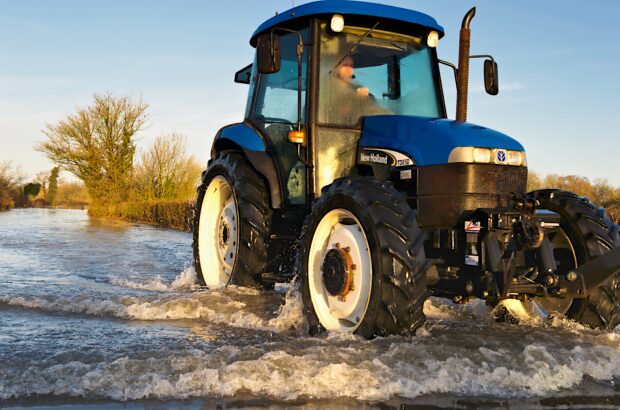
Around 1.12 million hectares of agricultural land in England is currently in areas at risk of flooding from rivers and the sea – around 13% of all agricultural land.
None of us can manage the pressures of a changing climate alone, and we all stand to benefit from sharing what we've learned.
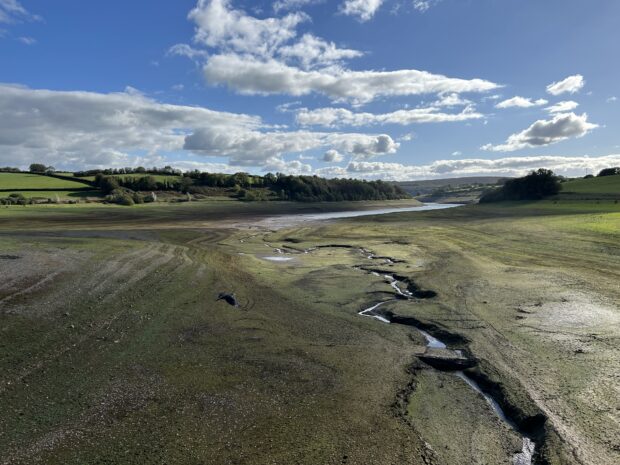
On 15 October 2026, Severe drought status was declared for parts of Cornwall, Devon, Dorset, Somerset, East Sussex and West Sussex after the driest April to September in over a century depleted local reservoir levels - with further dry weather expected for the rest of October.
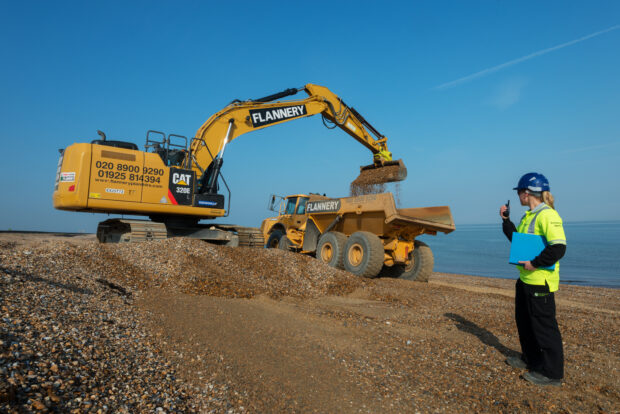
Behind England’s flood defences are thousands of engineers, inspectors and specialists working in all weathers, around the clock.
By Dr Rob Bradburne, Environment Agency Chief Scientist How does climate change affect drought? This summer has been a reminder that climate change is no longer something we talk about in terms of future generations. For many people, this summer …